
Pitta is one of the three doshas in Ayurveda, the traditional system of medicine that originated in India. The concept of doshas is central to Ayurveda, and they represent combinations of elements and qualities that make up an individual’s constitution. Pitta dosha is primarily composed of the elements of fire and water, and it is associated with several qualities and attributes.
Tag Archives: alternative medicine
What is the Vata dosha?

Vata is one of the three doshas in Ayurveda, the traditional system of medicine from India. Vata dosha is primarily composed of the elements of air and ether (space) and is characterized by certain qualities and attributes. Understanding Vata dosha is essential in Ayurveda as it plays a significant role in maintaining overall health and well-being.
The three doshas of Ayurveda
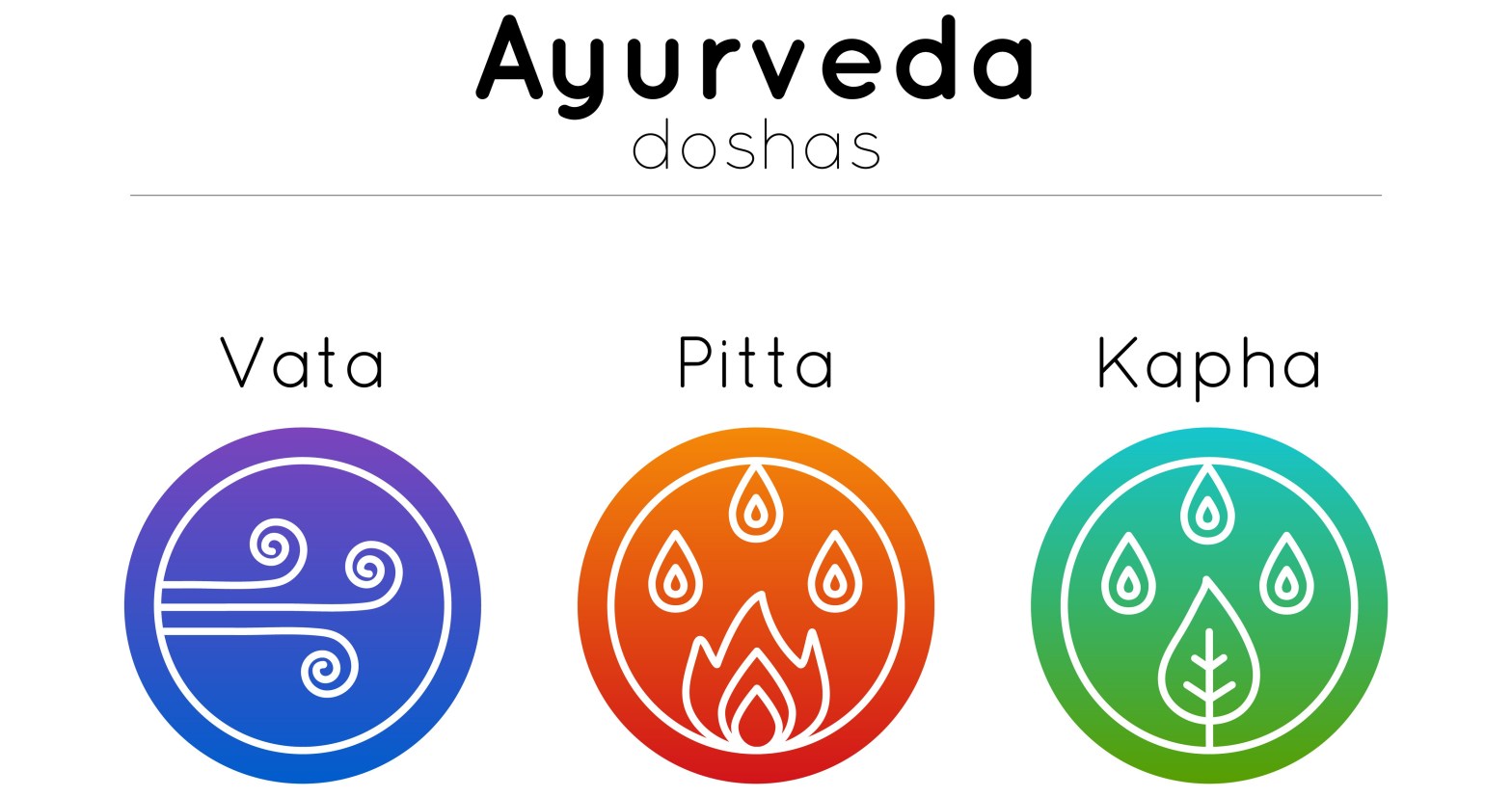
In Ayurveda, the traditional system of medicine that originated in India, the concept of three doshas is fundamental to understanding the balance of health and the individual constitution of a person. The three doshas are Vata, Pitta, and Kapha. Each dosha represents a combination of elements and qualities, and every individual is believed to have a unique constitution with varying proportions of these doshas.
Think hawthorn for heart and stomach

In Traditional Chinese Medicine (TCM), hawthorn berries, known as “Shan Zha” (山楂), have been used for centuries for their various medicinal properties. Hawthorn berries are commonly used in TCM to address digestive issues and circulatory problems.
Hypericum helps hands and feet

Hypericum is one of the polycrest remedies that belong in every home’s first aid and travel kit for minor injuries. Hypericum is often recommended for nerve injuries, especially when there is sharp, shooting, or radiating pain. It is used to relieve pain and promote healing in injuries that involve nerves, such as crushed fingers or toes, puncture wounds, or injuries to the spine.
Medicinal mushrooms in Chinese medicine and Ayurveda

Mushrooms have been used in traditional Chinese medicine (TCM) and Ayurveda for centuries due to their various health benefits. While the specific types of mushrooms and their applications can vary, here is an overview of how mushrooms are used in these traditional medicinal systems:
Cardamom: An Ayurvedic and Chinese medicine star spice

Cardamom is a popular spice with various culinary and medicinal uses in both Ayurvedic and Traditional Chinese Medicine (TCM). It is valued for its aromatic flavor and potential health benefits.
Ayurvedic self-care tips for autumn

Ayurveda, the ancient system of natural medicine from India, emphasizes the importance of adapting one’s lifestyle and self-care routines to align with the changing seasons. Autumn, or “Sharad Ritu” in Ayurveda, is considered a season of transition from the hot and humid summer to the cooler and drier weather of fall.
Chinese Medicine self-care tips for autumn

Traditional Chinese Medicine (TCM) places a strong emphasis on maintaining balance within the body and aligning with the natural rhythms of the seasons. Fall is associated with the Metal element in TCM and is considered a time of transition, where the energy begins to turn inward.
Vata pacifying diet

In Ayurvedic medicine, a Vata pacifying diet is designed to balance the Vata dosha, which is characterized by qualities such as dryness, coldness, lightness, and mobility. When Vata is out of balance, individuals may experience symptoms like anxiety, dry skin, digestive issues, and restlessness. A Vata-balancing diet focuses on foods and eating habits that counter these qualities and promote warmth, stability, and nourishment.
 Vitalichi